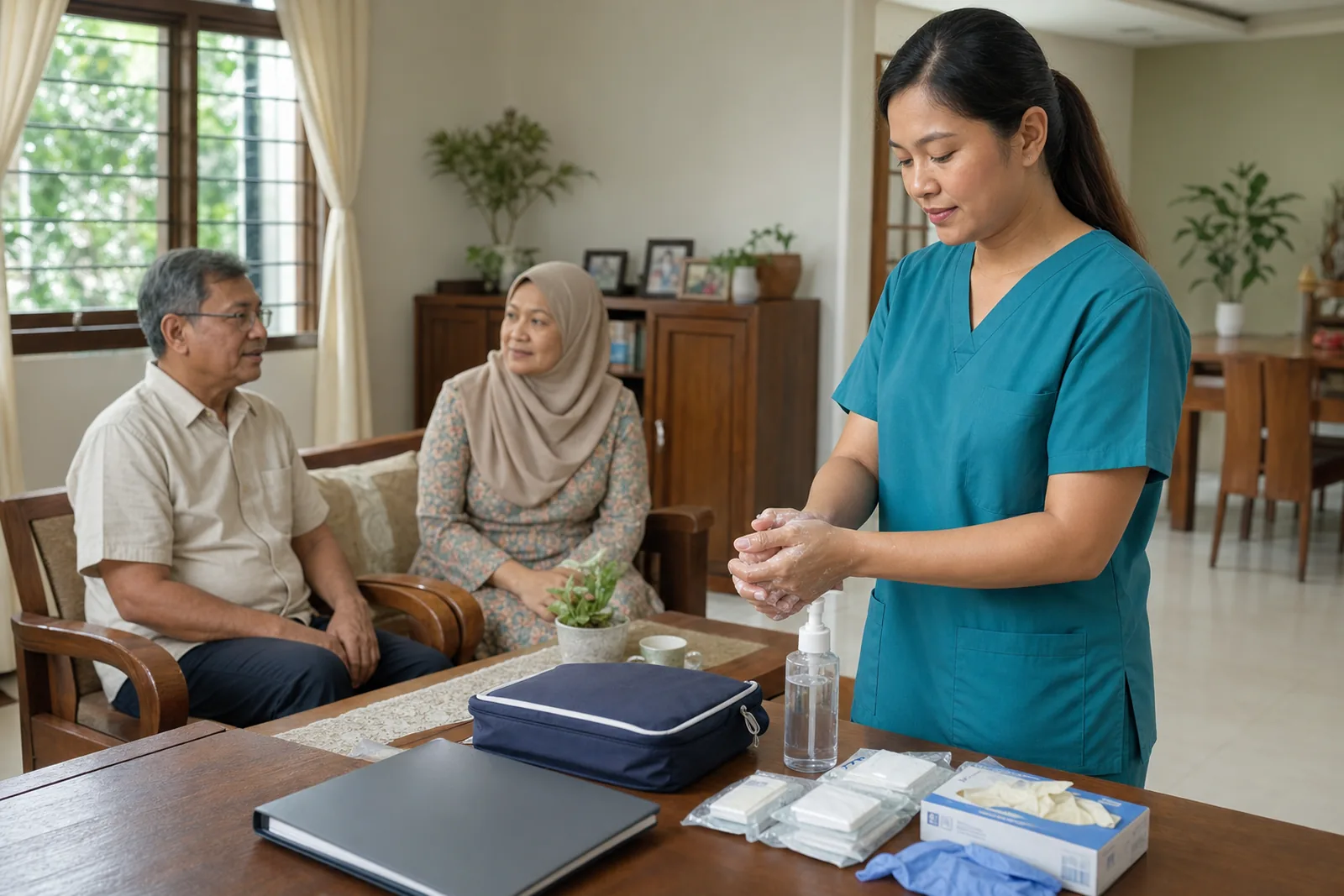
Skin Tear Home Nursing Needs
Apply gentle direct pressure with a clean dressing for bleeding and seek urgent help if it is heavy, spurting, does not stop, or the person is unwell. Emergency assessment is needed for collapse, difficult waking or major trauma. Do not peel back or discard a viable-looking skin flap. Share when and how the injury happened, location and size, bleeding, pain, contamination, current cover, anticoagulants or steroids, allergies, diabetes, circulation, sensation, tetanus history if known and previous tears. Increasing redness, heat, swelling, pain, odour, pus, fever, darkening tissue, spreading bruising or failure to improve needs prompt clinical review.
Who this guide is for
- Adults with a new skin tear or recurrent fragile-skin injury
- Families managing wounds after transfers, falls or adhesive removal
- People using anticoagulants, steroids or devices that increase skin risk
Classify urgency without causing a second injury
Note the mechanism, time, body site, wound dimensions, visible depth, bleeding, pain, contamination and whether a skin flap remains. Photograph only with consent and a consistent scale if the service permits it. Check circulation, sensation, oedema, diabetes, nutrition, steroid and anticoagulant use, allergies and tetanus history without delaying urgent care.
Control bleeding with gentle pressure and keep the flap in its current protected position until assessed. A nurse may cleanse and approximate viable tissue only within competence and the authorised pathway. Deep structures, uncontrolled bleeding, major contamination, bite, crush injury or uncertainty about closure and tetanus needs medical assessment.
Use a low-trauma treatment and documentation system
Follow the ordered cleansing solution, dressing, contact layer, fixation and change frequency. Mark or document flap orientation and the direction for atraumatic removal so another caregiver does not lift it backwards. Avoid routine dressing changes merely to look; change for the scheduled reason, leakage, displacement or a clinical concern.
Record wound and surrounding-skin appearance, drainage, bleeding, pain, dressing tolerance and progress using the same method. Secure without circumferential constriction or adhesive on vulnerable skin when an alternative is authorised. Dispose of supplies safely and keep backup dressings available, but do not substitute products silently.
Prevent the next tear during ordinary care
Trace the exact event: bed rail, wheelchair edge, watch, ring, pet, door, fingernail, sleeve, transfer sling, tape or pulling during washing. Pad or remove the specific hazard, smooth bedding and clothing, protect limbs when appropriate and use moisturising skin care according to the individual plan. Gloves and long sleeves must not create new friction or heat injury.
Review transfer technique, helper nails and jewellery, equipment clearances and how adhesives are removed. Support nutrition and hydration within disease limits. Escalate infection or healing concerns and reassess after every recurrence; repeated tears indicate the handling, environment or clinical risk has not yet been adequately controlled.
Primary sources
Sources support general principles; the individual treating team’s instructions take priority.
What matters before arranging a visit
Support that may be relevant
- Bleeding, depth, flap and contamination assessment
- Atraumatic cleansing, covering and dressing removal
- Medicine, circulation and healing-risk context
- Transfer, clothing, environment and adhesive prevention
How a home visit is planned
- Decide whether bleeding or injury depth needs urgent medical care
- Confirm whether the tissue flap can be preserved within scope
- Choose an authorised low-trauma dressing and removal method
- Identify the exact friction, shear or adhesive event to prevent recurrence
Ask about skin tear home nursing needs at home
The WhatsApp message mentions this page and leaves space for your city or suburb. The provider must confirm suitability, scope, timing and fees before any visit.
Ask on WhatsAppSafety boundaries and escalation
- Do not cut, pull or reposition a skin flap unless assessed and authorised
- Do not use household antiseptics, tissue adhesive or strong tape on fragile skin
- Do not remove a stuck dressing dry or against the recorded flap direction
This website is not an emergency service. Call 999 if someone has severe breathing difficulty, chest pain, heavy bleeding, sudden weakness, loss of consciousness or rapid deterioration.
Questions families often ask
Should loose skin over a tear be cut away?
No. It may be viable tissue that can protect healing. Leave it protected for assessment by an appropriately trained clinician.
Can ordinary adhesive tape hold the dressing?
Strong adhesive can cause another tear. Use the authorised low-trauma fixation method selected for the person's skin and wound.
Updated: 29 July 2026 • Sources and clinical instructions must be confirmed for each case.